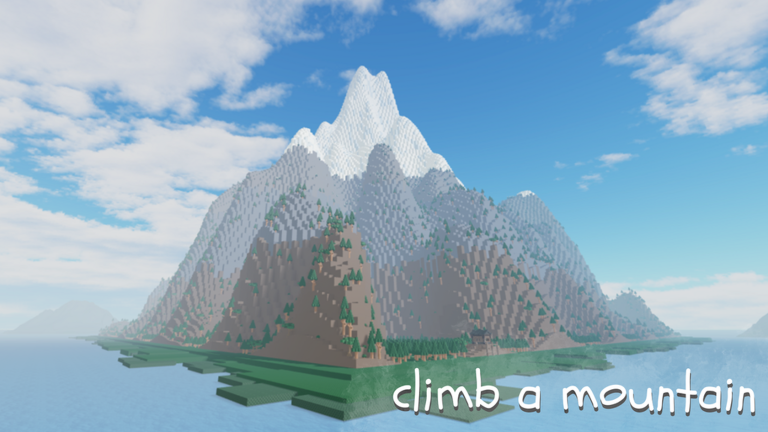
Climb a Mountain
A Roblox climbing game that peaked at 2.2M monthly active users.
Climb a Mountain is a multiplayer Roblox climbing and survival game I developed with a small team. As lead developer and game designer, I was responsible for the game’s core systems, technical architecture, and ongoing updates. The game reached Roblox’s front page, with 7.4M visits and 2.2M monthly active users at its peak.
The entire codebase lives in a Git repo and syncs in through Rojo, with Wally managing packages and Aftman pinning the toolchain. The game runs on Knit, split into server services and client controllers for systems like weather, quests, fishing, and building. Player data goes through ProfileService with session locking to protect profiles from conflicting writes across servers. I also implemented inventory reconciliation logic to detect missing items and restore recoverable data across player sessions.
To maintain code quality across the team, every push runs Selene and StyLua through GitHub Actions. The game is split across multiple Roblox “places,” which need to be updated together. A GitHub Actions workflow builds the game and publishes each variant through Roblox Open Cloud. This supports our DEV → QA → LIVE pipeline, keeping development and testing separate from live releases.
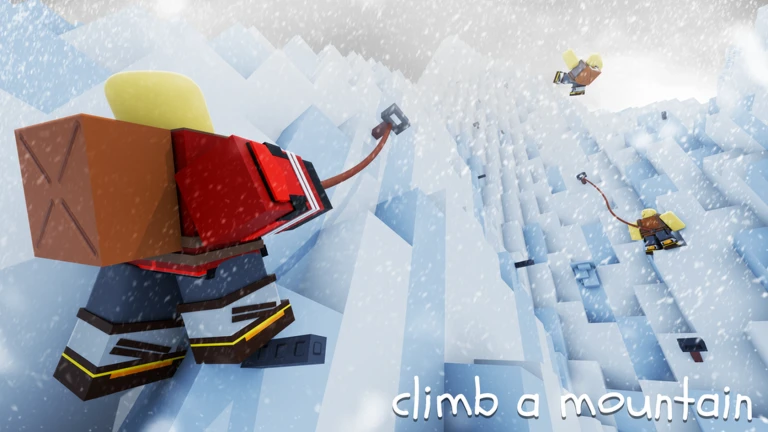
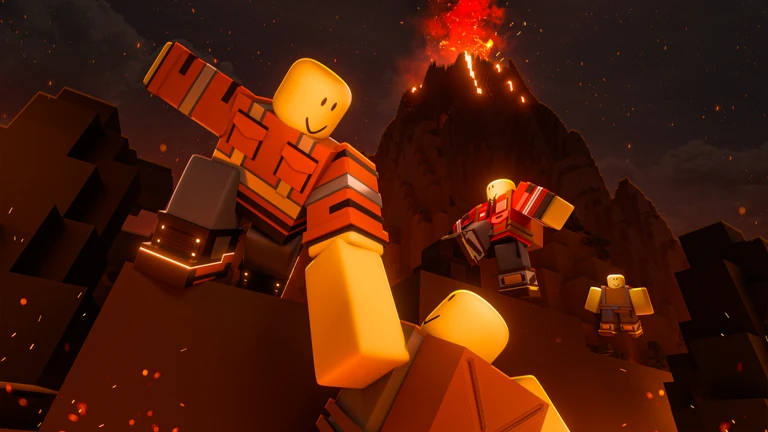
Some of the game thumbnails
One of the biggest engineering challenges was maintaining reliable player data as the game grew. Our initial persistence system wasn’t designed for the scale we eventually reached, and bugs occasionally resulted in lost progress. Resolving these issues involved investigating failure cases, recovering affected player data through Roblox’s datastore versioning with our moderation team, and redesigning how player profiles were managed.
As the game expanded, maintaining its original architecture also became increasingly difficult. During the final major update cycle, I led a substantial rewrite of the codebase, separating responsibilities more clearly and improving the infrastructure for future development.
The game had a strong community and still has a small community today. Players created guides, reported bugs, and influenced many features. The game simply wouldn’t have been possible without them.
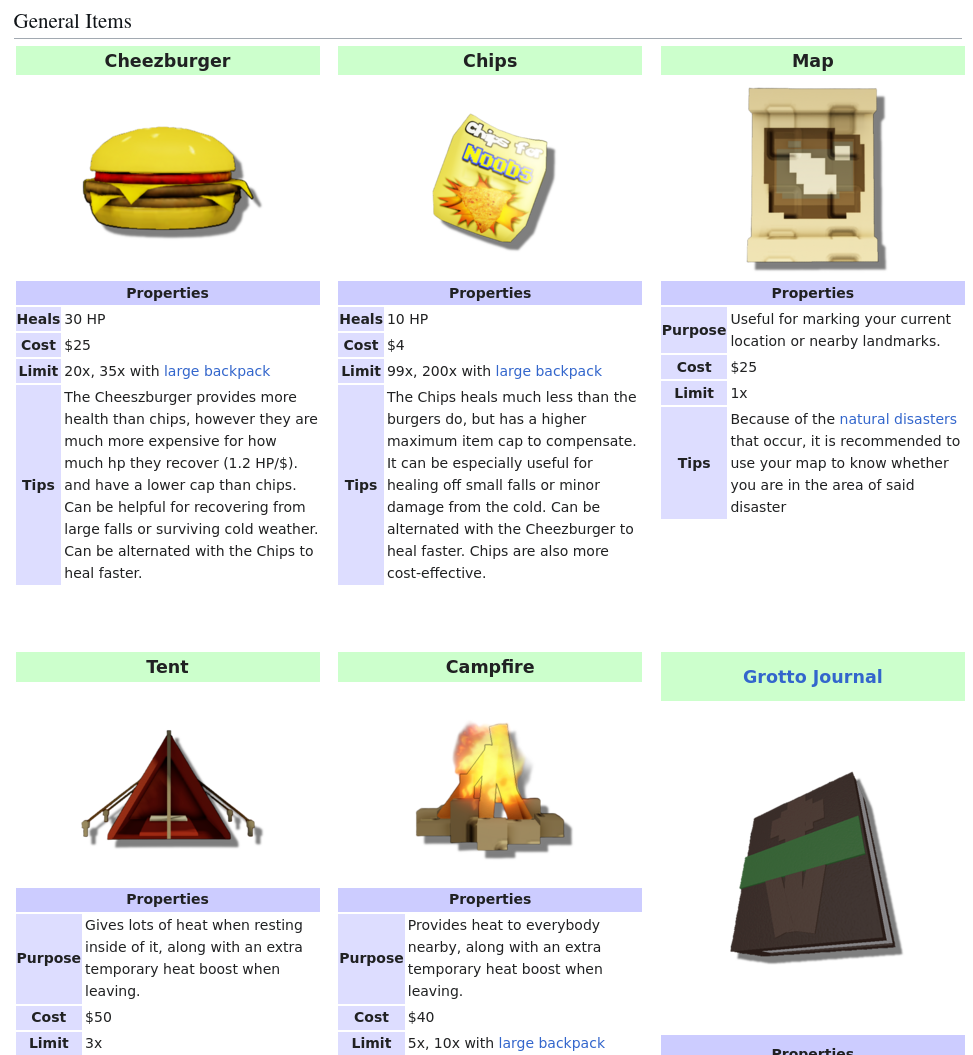
Screenshot of the wiki players created to guide others